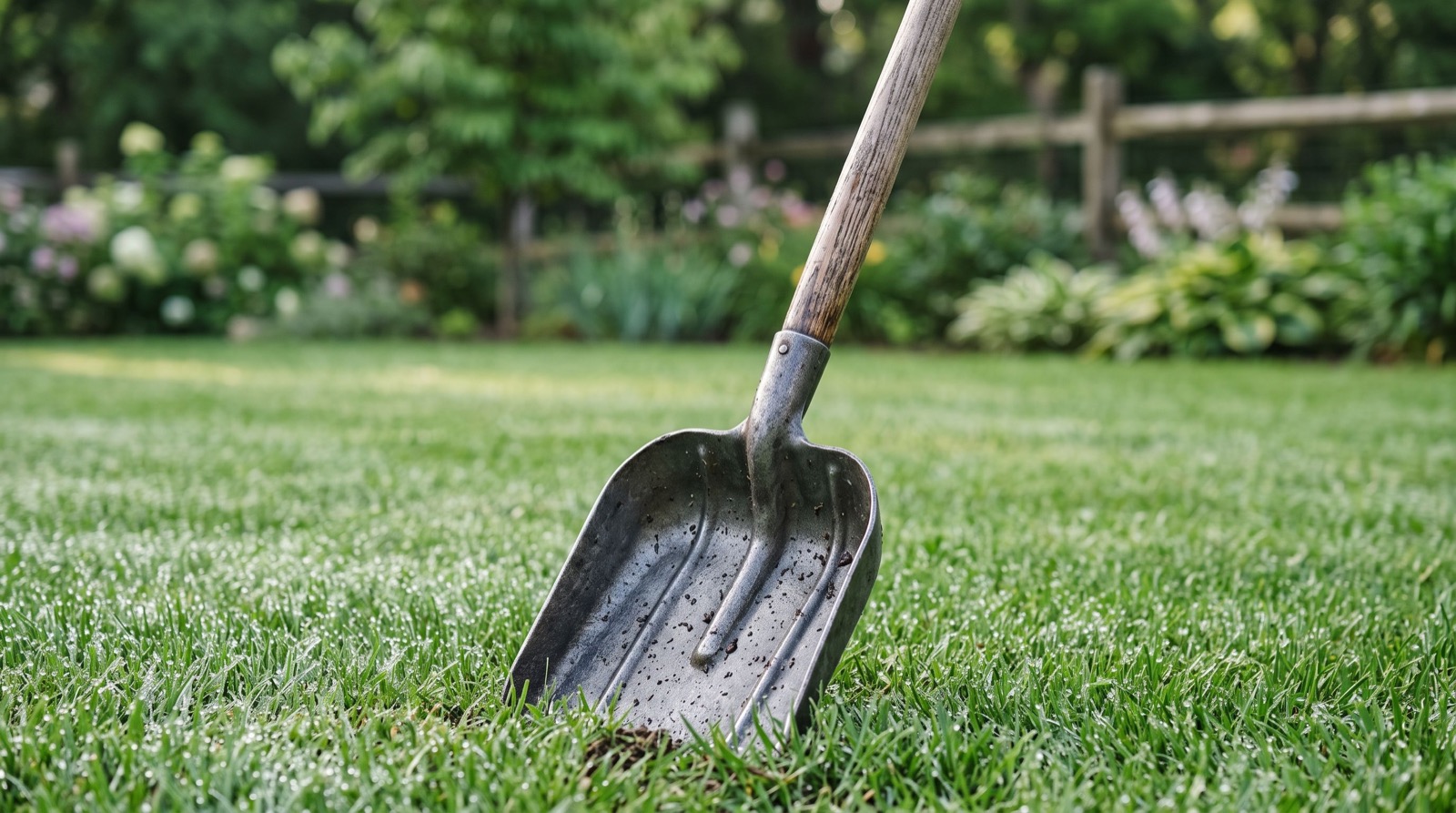

Arm and Hammer Pooper Scooper: The 2026 Guide to Odor-Free Cleanup
An Arm and Hammer pooper scooper solves the one problem every dog owner secretly hates: the smell. Scooping waste is easy enough, but controlling the odor that lingers on the tool, in the bag, and around the bin is where most routines fall apart. In 2026, baking-soda-powered scoopers paired with sealed, heavy-duty bags have made truly odor-free cleanup realistic for everyday households.
This guide explains the actual science of pet-waste odor, how deodorizing tools neutralize it, and a simple disposal workflow that keeps your home and yard smelling fresh.
Why Dog Waste Smells So Strongly
The odor is not random. Dog waste releases volatile sulfur compounds and ammonia as bacteria break it down, and warmth accelerates the process. That is why a bin in summer sun overpowers one in winter shade.
Understanding this helps you fight it. Odor control is really about two things: neutralizing the compounds already released and slowing the bacterial activity that produces more. A good deodorizing tool tackles the first, while sealing tackles the second.
How an Arm and Hammer Pooper Scooper Controls Odor
Baking soda, or sodium bicarbonate, is mildly alkaline and reacts with the acidic odor molecules that make waste smell foul. Rather than masking the smell with fragrance, it chemically neutralizes it. That is why it has been a fridge and litter staple for generations.
Built into a scooper, that deodorizing action works right at the source, the moment you lift the waste. A reliable Arm and Hammer Pooper Scooper reduces the odor cloud during pickup, which is exactly when most owners recoil.
Odor Science in Brief
According to PetMD, changes in a dog’s waste odor can also reflect diet and digestive health, so an unusually strong or persistent smell is worth noting. For routine odor, though, neutralization plus prompt sealing does the job.
Which Odor-Control Approach Works Best?
Owners try many tactics, with very different results. The table below compares the common approaches so you can see why neutralize-and-seal wins.
| Approach | How It Works | Effectiveness |
|---|---|---|
| Fragrance spray | Masks odor with scent | Short-lived |
| Deodorizing scooper | Neutralizes at the source | Strong |
| Sealed heavy-duty bags | Traps gases, blocks air | Strong |
| Open bin storage | None; lets gases escape | Poor |
| Neutralize + seal combo | Both at once | Best |
Sealing Waste the Right Way
Neutralizing odor is only half the battle. If gases escape a thin, torn bag, the smell returns fast. Thick, leak-resistant bags trap both moisture and odor until collection day.
Pairing your scooper with proper Heavy duty trash bags is the step most people skip, and it is the difference between a fresh bin and a smelly one. Tie a tight knot and avoid overfilling, which stresses the seal.
Quick Odor-Fighting Tips
- Scoop daily so odor never has time to build.
- Sprinkle a little extra baking soda in the bin between pickups.
- Keep bins in shade to slow bacterial activity.
- Rinse the scooper after each use to stop residue smell.
- Never overfill a bag, which weakens the seal.
Your Odor-Free Disposal Workflow
A repeatable routine keeps things effortless. Follow this sequence every time.
- Scoop with a deodorizing tool to neutralize odor at pickup.
- Drop into a heavy-duty bag lining a lidded bin or held open.
- Knot tightly once, pressing out excess air.
- Store in shade if collection is not immediate.
- Bin promptly and rinse your tool before storing.
For homes with multiple dogs or large yards, hiring quality service providers for weekly deep cleans can complement your daily deodorizing routine and keep odor from ever gaining a foothold.
Responsible Disposal Matters
Odor control should never mean cutting corners on disposal. The Environmental Protection Agency notes that pet waste carries bacteria that can pollute water when it is not bagged and binned. Sealing waste protects both your nose and your local waterways.
Where Odor Hides in Your Cleanup Routine
Even diligent owners miss a few odor traps. Identifying them turns a mostly-fresh routine into a completely odor-free one. The usual culprits are surprisingly ordinary.
The tool itself is the first offender. Residue dries onto a scooper and quietly stinks in the garage between uses. The bin is the second, especially when it sits in direct sun. And the transition from scoop to bag, if slow or fumbled, releases a burst of odor right at nose level.
- The tool: rinse and occasionally disinfect it after use.
- The bin: keep it lidded and shaded.
- The transition: bag quickly to limit exposure.
- The knot: a loose tie lets gases seep out.
Multi-Dog Households Need Extra Discipline
More dogs mean more waste and faster odor buildup, so frequency matters even more. Households with several dogs benefit from twice-daily pickups in summer and a slightly larger bin rotation. A deodorizing tool earns its keep fastest here, because the odor load is simply higher.
Indoor and Small-Space Considerations
Apartment owners face a unique challenge: waste often waits indoors before it reaches an outdoor bin. Here, sealing is non-negotiable. A tightly knotted heavy-duty bag inside a small lidded container keeps a hallway or balcony fresh until disposal.
Never leave an open bag near a vent or living area. Even a short delay lets sulfur compounds spread through a small home. The neutralize-and-seal method matters most exactly where space is tightest.
Frequently Asked Questions
Does an Arm and Hammer pooper scooper really reduce smell?
Yes. The baking-soda action neutralizes acidic odor molecules at the moment of pickup rather than just masking them, which noticeably cuts the smell during cleanup.
How often should I replace deodorizing components?
Follow the product guidance, but most owners refresh or replace deodorizing elements periodically as the neutralizing effect fades with heavy use.
Are heavy-duty bags worth it for odor control?
Absolutely. Thicker bags trap gases and resist tears, so odor stays sealed inside until disposal. They are the essential partner to any deodorizing tool.
Why does my dog’s waste suddenly smell worse?
Diet changes, treats, or digestive issues can intensify odor. If a strong smell persists alongside other symptoms, it is worth mentioning to your veterinarian.
Conclusion: Fresh Air Starts at the Scoop
An Arm and Hammer pooper scooper, backed by sealed heavy-duty bags and a tight daily routine, makes odor-free cleanup genuinely achievable in 2026. Neutralize at the source, seal completely, and dispose responsibly, and the smell simply stops being a problem.
Ready to reclaim fresh air around your home? Pick up a deodorizing scooper and heavy-duty bags today, then follow the simple workflow above for a cleaner, better-smelling yard.